
Keno Casinos in the UK: Licensing, Draws and Payouts
 Available in GB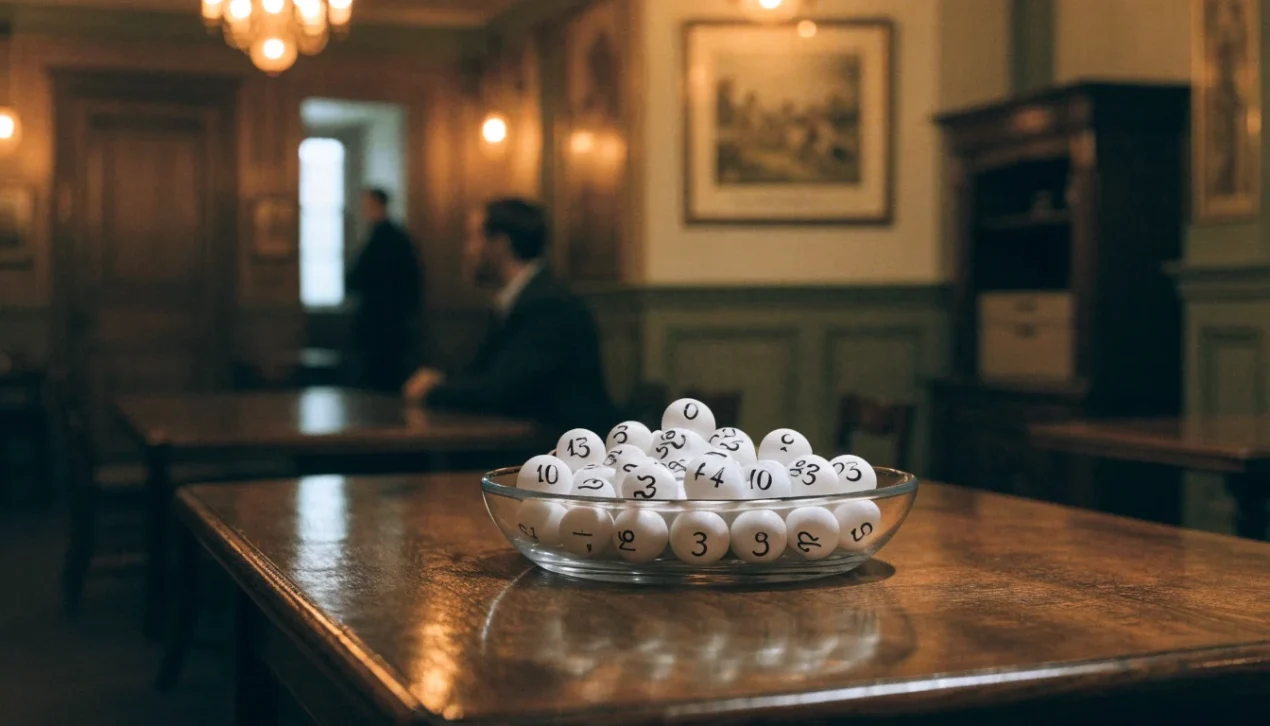
Contents
The guide separates licensing, game mechanics and promotional terms so claims about keno sites can be assessed without treating a ranking as proof.
Keno Casinos in Britain: What a Licence Actually Establishes
For a keno casino serving people in Great Britain, the first question is not where its servers sit or which regulator it mentions in its own material. The relevant issue is whether the business is authorised to provide remote gambling to consumers in this market. The UK Gambling Commission oversees gambling activity here, including online casinos, and its remit applies to remote services offered to people in Great Britain even when the equipment supporting them is based elsewhere.
That distinction matters because a foreign address does not remove a service from British rules. A site may describe itself as regulated abroad, but that statement does not replace the permission required to offer gambling to customers in Great Britain. If a keno site targets or serves British players without the necessary UK Gambling Commission authorisation, it is operating illegally in this market, whatever regulatory claims it makes about another jurisdiction.
What the licence relates to
The Commission issues operating licences to businesses and personal licences to individuals involved in operating gambling in Great Britain. These are different forms of authorisation: one concerns the business providing the service, the other concerns relevant people in the operation. For someone assessing an online casino, the operator’s status is the central point. A game label or a polished site design cannot establish that status.
Keno offered by an appropriately licensed operator falls within the Commission’s regulatory oversight. In practical terms, the licence establishes that the operator has the required authority to offer remote gambling in this market. It is a matter of legal standing and regulatory responsibility, not a badge suggesting that a regulator has selected or recommended the casino.
I have seen the distinction blurred in commercial language. “Licensed” can be presented as a broad quality claim, when the useful question is narrower: who holds the relevant permission, and does it cover the service being offered to British customers? A licence is not the same thing as an endorsement. Keep those separate.
Fast Payout Online Casinos in the UK: What Claims Mean
Direct licences and white-label arrangements
A casino operating legally in Great Britain must either hold its own remote licence or operate through a white-label arrangement with a business that already holds one. That means a familiar consumer-facing brand is not necessarily the same entity as the licence holder. The brand may present the site, while the licensed business provides the regulatory basis for the operation.
This arrangement does not make the licence irrelevant. It makes identifying the responsible licensed business more important. A site’s brand name, domain name and licence holder may not be identical, so a statement that a casino is “licensed” should be read as a claim to verify rather than as proof on its own. The Commission’s public register is the reference point for checking an operator’s status and the relationship stated by the site.
The Commission is the body responsible for regulating commercial gambling in Great Britain. There is no separate British regulator whose approval can be substituted for its authorisation for a remote casino serving this market. This is why references to an overseas regulator, without the required British basis, do not resolve the question of legality.
What an unlicensed site means
A keno site without the relevant UK Gambling Commission authorisation is not made legal for British players by describing itself as licensed elsewhere. The same applies if its operator is located outside the country or its key equipment is hosted abroad: location does not displace the Commission’s oversight of remote gambling offered to consumers in Great Britain.
That is the practical dividing line between licensed and unlicensed online keno casinos in Britain. The first category has an appropriate route to operate here, whether through its own remote licence or a qualifying white-label arrangement. The second does not have the required British authorisation. A foreign licence may describe a site’s status in another jurisdiction, but it does not by itself establish permission to serve this one.
Legal Warning
A keno site targeting or serving British players without the necessary UK Gambling Commission authorisation is operating illegally in this market, regardless of any foreign regulatory claims.
I treat licence wording as a starting point, not a conclusion. The useful check is whether the named business can be connected to the relevant entry on the Commission’s register, and whether the site’s own account of its licensing arrangement is consistent with that record. If the operator’s identity or authorisation cannot be established, the marketing language does not fill the gap.
For keno, then, the regulatory baseline is the same kind of operator-level test that applies to an online casino more broadly. The Commission regulates the activity offered to British consumers, and the business behind the service must have the appropriate authorisation. That is what a licence establishes. It does not, by itself, settle questions about a game’s features or make a brand “best”.
Keno’s Draw, Number Choices and the Payout Calculation
Keno is built around a simple comparison: numbers selected for a game are set against the numbers produced by its draw. The payout depends on two things: the stake and how many selected numbers appear in that draw. That is the central calculation, whether the game is presented as a standalone casino game or in an online format.
The number selected is often called a spot. Choosing more spots changes the pattern of possible matches: the draw may contain few, many or none of the selected numbers. A payout is not determined by the stake alone, nor by the number chosen alone. The game’s payout table connects the stake and match count to the amount returned. Without that table, a headline payout figure does not explain what a particular result pays.
Fastest payout online casinos in the UK: what to check
I find it useful to separate the draw from the price assigned to its result. The draw determines the matches. The payout table determines how those matches are valued, while the stake scales the result. Two games can therefore both be called keno and still present different payout schedules. The name describes the broad format, not a universal set of returns.
What a match count tells you
Suppose a player selects a group of numbers and the draw produces its result. The relevant count is how many selected numbers appear among the drawn numbers. That count is then read against the game’s payout rules. A result with more matches may sit in a different payout category from one with fewer, but the precise return depends on the table for that game.
This is why “more numbers” does not, by itself, mean “more value.” Selecting additional spots changes the possible match patterns, but it also changes which payout rows matter. The useful comparison is between the full set of possible match outcomes and the returns attached to them, not the largest amount displayed beside a rare result.
The stake is part of the same calculation. A payout table may express a return in relation to the amount staked, or state the resulting payment directly; either way, the amount placed on the game affects the payout. The format of the display matters. A prominent prize can look substantial while saying little about the typical relationship between a stake and the outcomes available.
Payout Factors
A keno payout is determined by the combination of the stake and the match count as defined in the game’s specific payout table.
There is no single keno payout calculation that can be applied to every casino game without its rules. The mechanics are consistent at a broad level—selected numbers, drawn numbers, matches and a corresponding payout—but the table supplies the game-specific detail. Read the table, not just the game title. Small distinction; real consequence.
Why earlier results do not predict the next draw
Keno draws are independent. A number appearing in a previous draw does not make it more likely to appear again, and a number that has not appeared recently is not thereby due. Each draw is not a correction of the last one. Past results may be recorded, but they do not alter the next draw’s outcome.
This is an easy point to lose when results are shown in a sequence. A run of repeated appearances can look like a pattern; a gap can look like evidence that a number is about to return. Neither observation changes the next draw. Treating a history display as a forecast confuses a record of outcomes with a rule governing future ones.
That independence also means a player cannot improve a result by trying to balance previous draws through number choice. Selection determines which numbers count as matches if they appear; it does not influence what the draw produces. The distinction is basic, but it separates the mechanics from the stories players can build around them.
A specialist review has cited an online keno house-edge range of approximately 5% to 25%, with the figure varying according to the number of spots selected and the casino. That is a reported range, not a fixed property of every keno game or a promise about an individual outcome. It also underlines why the payout table matters: the label “keno” alone cannot establish the financial terms.
So the mechanics are best read in order: selection defines what can match, the draw determines the matches, and the game’s table links those matches and the stake to a payout. Earlier results sit outside that sequence. They tell a history, not a prediction.
French Roulette Online Casinos in the UK: Rules & Odds
Our top casino picks for the UK
- WinBeastBonus: €5000 + 500 FS + €650 Freebet · Payout speed: 1-3 business days
- ZombillionBonus: Welcome Pack 250% up to £4000 + 200 FS · Payout speed: 1-3 business days
- BritsinoBonus: Welcome Package – Get your £2,200 + 2,000 FS · Payout speed: 1-3 business days
- DieselwinBonus: Welcome Pack 250% up to £4000 + 200 FS · Payout speed: 1-3 business days
- NightLuckBonus: Welcome Pack + 805% Up To 6400€ + 280 FS · Payout speed: 1-3 business days
- x3betBonus: Welcome Pack 100% Up to £1.000 + 200 Free Spins · Payout speed: 1-3 business days
- AmunbetBonus: Join now and get 450% up to 2,700 GBP + 450 FS · Payout speed: 1-3 business days
- ChanzeBonus: Slots Welcome Bonus #1 200% up to €500 · Payout speed: 1-3 business days
- EvoSpinBonus: 125% up to €2500 + 125 Free Spins · Payout speed: 1-3 business days
- BeOnBetBonus: 100% up to €500 + 100 FS · Payout speed: 1-3 business days
What “Best Keno Casino” Can Mean Without a Verified Shortlist
“Best” is a judgement, not a regulatory category. In my experience, the word in a casino headline often bundles several separate claims: that the operator can serve customers in Britain lawfully, that it offers keno, and that its overall proposition compares favourably with alternatives. Those claims need different evidence. A licence can speak to the operator’s regulatory status; it does not, by itself, establish that a particular casino is the best place to play keno.
For remote gambling offered to consumers in Great Britain, the operator must hold the relevant Gambling Commission licence. That requirement applies even when the business or key equipment is based elsewhere. So a polished site, a British-facing offer or a statement that the company is regulated in another jurisdiction cannot replace the relevant British licence. The distinction is practical: a brand can make confident claims, but the legal responsibility sits with the licensed operator serving the market.
The register provides a way to test a specific operator claim. A specialist affiliate review reports that the UK Gambling Commission register dated 26 September 2026 does not identify a LuckyPays entry under that brand or the stated domain, including luckypays.io. That is a dated register finding, not a permanent verdict: brand names, domains and business arrangements can change. It also does not establish that a different company is licensed merely because it appears somewhere in the site’s terms. The operator named in the customer relationship needs to be connected clearly to the relevant licence.
This is where “best keno casino” becomes a more demanding claim than “licensed casino”. A licence does not compare the quality of keno provision, establish a favourable payout structure or verify that the game described in promotional copy is the one actually offered. Nor does the word “best” become meaningful simply because a site has a recognisable brand or presents a long list of casino games. Those are separate questions, and the evidence for one should not be used as a substitute for evidence for another.
Live Baccarat Online Casinos in the UK: What to Check
I have seen how a comparison can become persuasive before it becomes useful: a bold ranking lends authority to details that may only describe an operator’s own marketing. A more careful assessment starts with the legal entity behind the site and whether its licence covers remote gambling for consumers in Great Britain. Only then can game-specific claims be considered on their own terms. No shortcut.
The same distinction matters for bitcoin keno casinos. The payment label does not establish whether the business is authorised to serve the British market. A bitcoin option, or any other feature presented as a selling point, cannot stand in for the required Gambling Commission licence. The operator’s British regulatory position remains the first separate question; the merits of a keno product are another.
For a UK-facing recommendation, “best” should therefore be read as a conclusion that needs substantiation, not as a fact established by a ranking badge. Licensing evidence can help identify whether the operator has the required regulatory standing. It cannot settle every product comparison hidden inside the word. When those two ideas are collapsed into one, the headline promises more than the licence proves.
What “Top” Keno Sites Means When the Numbers Vary
“Top” is a label, not a measurement. A site can appear prominently in a comparison because of its overall casino offer, app presentation or editorial criteria; that does not establish that its keno game has a better return. I separate the ranking claim from the game figure. They answer different questions.
For online keno, one specialist affiliate review reports a house-edge range of approximately 5% to 25%, with the result depending on the number of spots selected and the casino. That is a reported range, not a fixed market-wide standard or a guarantee about any particular game. Its breadth is the useful point: a high position in a list cannot tell a player where a specific keno game sits within it.
A house edge is a way of expressing the game’s theoretical advantage to the operator over repeated play. The figure is not a forecast of what one session will return. It also cannot be carried from one keno game to another simply because both are offered by the same casino. The relevant number belongs to the particular game and selection setup, not to the site’s ranking badge.
Do
- Identify the specific keno game
- Check the comparable return figure
- Read the game-specific payout table
Don’t
- Rely on a general casino score
- Use a site-wide RTP claim
- Trust a ranking badge as a payout guarantee
That matters when a comparison uses “best” or “top” without showing how its assessment was made. A ranking may be legible as an editorial judgement, but unless it identifies the keno game and provides a comparable return figure, it says little about keno value. I would not treat a general casino score as a substitute for that detail. Different yardstick.
The same distinction applies to “RTP”. Return-to-player figures are often used as a shorthand for comparing theoretical returns, but a broad casino page may not show a keno-specific figure at all. If it does, the figure needs to refer to the game being compared. A number for another casino game, or an undifferentiated site-wide claim, cannot settle the question.
An app does not change that standard. A keno casino app may be easier to access than a browser page, but its presence does not establish the game’s house edge or make a ranking more meaningful. The same applies to an online casino offering keno alongside other games: the range of its catalogue is not evidence of the keno game’s return. Platform is not payout information.
I apply the same test to a casino described as accepting bitcoin or other crypto. The payment label does not tell anything about the keno game’s edge. It may be relevant to how a casino presents its payment options, but it cannot stand in for a game-level comparison. A “top” label attached to that offer remains a ranking claim, not a keno statistic.
Low-Volatility Slots in the UK: What to Expect
When two sites are being compared, the useful distinction is between what the ranking says and what the game information says. The ranking may describe an editor’s selection; the house-edge figure, when specifically reported for the keno game, gives a more relevant point of comparison. Even then, the reported range should not be presented as a universal value. The number of spots and the casino matter.
In my view, a credible comparison makes those limits visible rather than letting a superlative do the work. Without a specific, comparable keno figure, “top” describes placement. It does not establish value.
Starting a Keno Session: From Number Selection to Settlement
A keno session has a simple sequence: choose numbers, set a stake, let the draw take place, then check the result against the game’s payout table. The screens and labels can differ between casinos, so I treat the displayed rules as part of the game rather than assuming every version handles a session in exactly the same way.
Before the draw
The number-selection panel is where a round begins. Selected numbers are the choices that will be compared with the draw; the stake is the amount attached to that round. Both matter at settlement. A result cannot be read in isolation from the stake, and the stake does not determine how many selected numbers appear.
Before Starting Keno
- Select the desired numbers (spots)
- Set the stake for the round
- Review the game’s prize structure and payout table
- Confirm the round to commit the stake
Before confirming a round, I look at the game’s own explanation of its prize structure. It should show how the stake and the number of selections matched by the draw relate to a payout. That relationship is the practical detail to understand before play starts. A headline prize, where one is displayed, does not explain every possible result.
The selection itself is not a prediction. Picking numbers because they feel familiar, or because they appeared in a previous round, does not change what the draw will produce. The useful decision at this stage is simply which numbers to include and what stake to attach—not a theory about what is due to appear.
Placing a round
Once the choices and stake are set, the game presents a control to start or confirm the round. The wording varies, but the action commits the selected numbers and stake to that draw. I pause here because changing either after the round has started may not be possible; the game’s on-screen rules determine the point at which an entry is fixed.
Then comes the wait for the draw to finish. Some interfaces display the drawn numbers as they appear, while others present the completed result together. Either way, the settlement depends on comparing the draw with the numbers selected for that round. The visual presentation can make the process feel like a sequence of separate events, but the relevant question is the final match count.
Reading settlement
At settlement, the game checks how many selected numbers appeared in the draw and applies the displayed payout terms to that result and the stake. A match count alone is not a cash figure: the stake also affects the payout. The game’s prize table is therefore the reference point for interpreting what the result means.
If a round produces no payout, the result still settles according to the rules shown for that game. If it does pay, the amount follows the same relationship: stake and matched selections. I avoid treating a win display as evidence that the next round is more likely to pay. Each round stands on its own.
Live Blackjack Online Casinos in the UK: Licensing
This is how to play keno online in practical terms: make a selection, set the stake, confirm the round, wait for the draw and read settlement against the game’s table. The sequence is straightforward. The terms matter.
Free Keno Slots and RTP: What the Figures Do—and Don’t—Tell You
Free-play versions of keno-style games can make it easier to see how a particular interface presents number choices and results. They do not, by themselves, establish what a real-money version would return. The display may look familiar, but the useful question is whether the published return figure applies to that exact game and its stated rules.
RTP is a theoretical return figure, not a promise about the result of an individual session. It describes an expected relationship over repeated play under the model used to calculate it. A short run can differ sharply from that expectation. A “high RTP” label is therefore incomplete unless it is tied to a named game and the relevant version; a figure detached from those details is hard to interpret.
For online keno, a specialist review reports a house-edge range from 5% to 25%, with the result depending on the number of spots selected and the casino. That is a reported range, not a settled market average or a figure that can safely be applied to every game. House edge and RTP describe related sides of the return calculation, but the published percentage only helps when its basis is clear. The title alone does not supply that basis.
Free keno slots online may be described as a way to explore a game without downloading it, but those words are not evidence that every product offers a browser demo, or that the demo uses the same configuration as paid play. Nor does free play verify the software provider, the game’s return setting or the rules behind a displayed result. A demonstration shows what that demonstration does. Nothing more.
Bonus Buy Slots UK: Costs, Features and Risks
I have seen how attractive a single percentage can look on a game page: it compresses a complicated set of assumptions into one neat number. That neatness can be misleading. A stated RTP does not identify the selected-spot setting, explain how the displayed prize table is applied, or show whether the figure refers to the particular version being played. Where those details are absent, comparison becomes guesswork.
The same caution applies to a “strategy” label. Choosing numbers according to a personal pattern may change the experience, but it does not make independent draws remember earlier results. A strategy cannot turn past outcomes into evidence that a particular result is due next. That matters in free play too: repeated success in a demonstration is not proof that the approach improves the underlying return.
Free play is most useful as an interface check, not as a forecast. It can show how selections and results are presented, while an RTP figure can describe a theoretical return when its game and calculation are identifiable. Neither tells the whole story alone. A percentage without context is decoration.
Real-Money Keno: Stake, Draw and Expected Return
In real-money keno, the stake is the amount attached to a particular play; it is not a prediction of what the draw will return. The payout depends on that stake and on how many of the selected numbers appear. A matching result may therefore produce different cash outcomes at different stakes, while the same stake can produce different outcomes when the number of matches changes.
That relationship is the useful starting point for comparing games. A payout table shows what a particular game assigns to its possible match results. The stake scales the resulting payout, but it does not improve the chance of a match. Increasing it changes the money exposed to the game, not the draw itself.
Expected return needs more care. It describes a long-run average across repeated plays, not a forecast for an individual draw or a promise that a session will return a particular amount. One result can sit well above or below that average. The gap between the theoretical return and the total stake is commonly described through the house edge: it expresses the game’s built-in mathematical disadvantage to the player over time.
Attention: A reported house-edge range of 5% to 25% is a general estimate; the actual return depends on the specific casino and the number of spots selected.
A specialist review gives an online keno house-edge range of approximately 5% to 25%, with the figure varying by the number of spots selected and the casino. That is a reported range, not a fixed market rate or a figure that can be assigned to every game. The spot selection matters because the payout structure changes with it; the casino matters because game terms and paytables can differ. “Real money” says how a stake is valued, not whether the underlying return is favourable.
I have found it more useful to read the specific paytable than to rely on a broad label or a single headline figure. The number of spots and the payout for each match outcome determine what the game is offering. Without those details, a claim about expected return cannot be checked against the play being considered.
A demo version and a real-money game should not be treated as interchangeable evidence about cash outcomes. The financial question is the stake and payout relationship in the game being played, and the possible results remain uncertain from draw to draw. Earlier outcomes do not turn a future result into a more dependable one. The arithmetic sets the terms. It does not remove variance.
Keno Bonuses: Read the Offer as a Set of Conditions
A keno bonus is not a single benefit with a single value. The headline may describe extra play or a no-deposit offer, but the terms decide who qualifies, which games count and what must happen before winnings can be withdrawn. I learned to read the conditions as part of the offer, not as fine print that can be checked later.
Eligibility rules can narrow the headline. Wagering requirements, excluded games, payment-method restrictions and expiry conditions may all affect whether a balance can be withdrawn. A bonus that appears relevant to keno may not apply to every keno game, and the label alone does not establish that it is available to a particular account. The operative wording is in the terms.
Payment conditions deserve separate attention. A method used to fund an account may not be available for withdrawals, and a promotion may impose its own payment restrictions. This matters when an offer is described as a bitcoin keno bonus: the reference to bitcoin does not establish that the operator accepts it, or that using it satisfies the promotion’s rules. The payment method and the bonus conditions need to be read together.
The same applies to a no-deposit offer. The phrase describes a promotion’s presentation; it does not establish who can claim it, which games qualify or what conditions apply to a withdrawal. “Free” is the advertising word. The conditions do the work.
The essential check is the operator’s status. A remote gambling business that serves consumers in Great Britain must hold the relevant licence from the UK Gambling Commission. A bonus page, payment logo or claim of regulation elsewhere is not a substitute for that licence. Before treating an offer as a reason to open an account, confirm that the operator is covered by the Commission’s licensing system.
Bonus Verification
Verify the operator’s UK Gambling Commission licence before treating any bonus offer as a reason to open an account.
This is distinct from judging whether a bonus is generous. Licensing establishes the regulatory basis on which the operator may serve the British market; it does not certify the appeal of a particular promotion or remove its conditions. Keno odds are also a separate matter: a bonus headline does not explain the game’s payout terms.
I have seen the headline do its job and the conditions do theirs. Read together.
Live Keno: A Label Is Not Proof of a Live Draw
“Live” can describe the way a game is presented, but the word by itself does not establish how its draw is produced. In my checks, I separate the label from the feature it appears to promise. A page calling a product live keno does not, on that wording alone, show whether a draw is conducted in real time, whether a presenter is involved or what technology determines the result.
That distinction matters because the label can carry more meaning in an advert than the available product details support. The practical question is what the operator actually describes: a live event, a streamed presentation, or simply a keno game placed in a live-casino section. Those are not interchangeable claims. Without clear product information, it is safer to read “live” as a label, not as evidence of a particular format.
The regulatory position is narrower and clearer. When a UK Gambling Commission-licensed operator offers keno in Great Britain, that gambling activity is within the Commission’s remit. This establishes oversight of the licensed operator’s keno offering; it does not, by itself, confirm that a specific product uses a live draw or has a particular feature.
I have seen category names do a lot of work. They suggest atmosphere and format, while leaving the mechanics unstated. A “live keno casino” description should therefore be assessed against the actual explanation of the game, rather than treated as proof that the draw is live. If the product page does not explain what “live” means in that instance, the label leaves the key point unresolved.
For online live keno, the distinction is simple: regulation of keno from a licensed operator is not verification of a live presentation. The former concerns who is responsible for offering the game in Great Britain. The latter is a claim about the product itself. Different questions. Different evidence.
Keno Slot Machines and Payouts: Keep the Game Types Distinct
“Keno slot machine” can describe different things: a slot-style game built around keno imagery, or a digital version of standard keno presented on a casino screen. The label alone does not establish how either product works. I would not infer its draw method, number of selections or payout table from the name.
That distinction matters when comparing payout claims. Standard keno payouts depend on the stake and on how many selected numbers appear in the draw. A slot-style product may use different rules, so that relationship cannot simply be transferred to it. The game’s own rules and paytable are the relevant documents; a shared word in the title is not evidence of shared mechanics.
There is also a useful limit to the available general figure. A specialist review reports an online keno house-edge range of approximately 5% to 25%, varying with the number of spots selected and the casino. That is a sourced estimate, not a fixed market standard, and it should not be presented as the edge or payout range of every keno-themed machine.
A displayed payout figure is not the same as a promise about an individual result. For a slot-style game, its published rules need to identify the conditions behind any payout claim. If those details are not clear, the title alone cannot fill the gap.
Keep the categories separate. Keno-style appearance does not prove that a product uses standard keno’s draw or payout structure. Separate rules, separate claims.
Related posts

Terms of Use

TRON and TRX Casino Comparison in the UK
